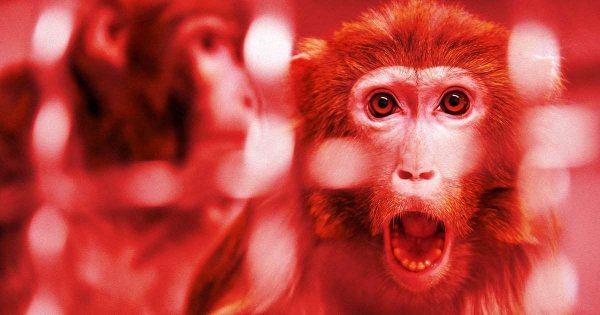
Neuralink, the brain-computer interface company led by Elon Musk, has confirmed that a notable portion of its test monkeys were euthanized during experiments, with complications from its brain implants being a contributing factor. The disclosure comes in response to a complaint filed by the Physicians Committee for Responsible Medicine (PCRM), which accused the company of conducting invasive and deadly experiments on 23 rhesus macaques.
In a blog post, Neuralink stated that eight monkeys were euthanized during the trials, contradicting PCRM's claim that 15 animals died. The company said two of the animals were put down at planned end dates to collect anatomical data, while the remaining six were euthanized due to a combination of surgical complications, a device failure, and device-associated infections.
These admissions highlight the challenges in developing brain implants, a field where safety is paramount. The company's goal is to eventually implant its devices in humans, and it has announced plans to begin human trials later this year. However, the device-related fatality rate of approximately 21% among the test subjects raises questions about the technology's readiness for human application.
Neuralink's Defense and Animal Welfare Claims
Neuralink has strongly denied allegations of animal abuse or extreme suffering, asserting its commitment to humane and ethical treatment of animals. The company emphasized that each animal's use was extensively planned and considered, balancing scientific discovery with ethical considerations. It also highlighted the care provided by a large team of veterinarians, technicians, and animal care specialists, along with details about the animals' living environment and diet.
The company defended its use of animal research, stating that all novel medical devices and treatments must be tested on animals before they can be ethically trialed in humans. It noted that this practice is not unique to Neuralink, a point that underscores the broader ethical debates surrounding animal testing in medical research.
Reactions and Implications
Despite Neuralink's explanations, animal rights groups like PCRM remain critical, opposing any research involving living creatures. The company's acknowledgment of the monkey deaths is unlikely to quell the controversy, especially given the broader scrutiny it faces, including criticism of Musk's leadership and skepticism from experts about the technology's viability.
As Neuralink moves toward human trials, the balance between innovation and ethical responsibility remains a central concern. The company's handling of these revelations will be closely watched by both the scientific community and the public, as the implications for future brain-computer interface development are significant.