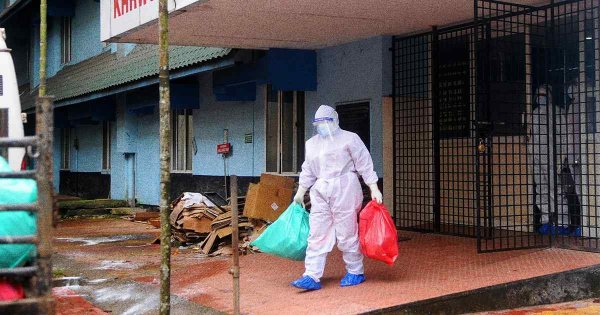
Officials in Kerala, India, are racing to contain a Nipah virus outbreak after the infection killed a 12-year-old boy on Sunday. The state government has identified and quarantined at least 188 people who had contact with the child, and sealed a two-mile radius around his home to prevent further spread.
Nipah is among the deadliest viruses known to infect humans, with a mortality rate of roughly 75 percent and no approved cure or vaccine. The last outbreak in India killed 17 of 18 infected patients, underscoring the threat even in small clusters. While the virus is far less contagious than COVID-19—which still infects about 41,000 people daily in India—its long incubation period of up to 45 days and the potential for long-term neurological symptoms in about 20 percent of survivors make it a serious public health concern.
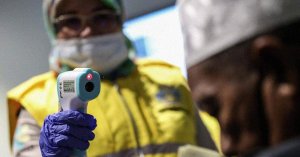
As of Monday, two healthcare workers who treated the boy are showing symptoms of Nipah infection and have been hospitalized, awaiting blood test results. Other infections have been confirmed, according to CBS News, though the exact number has not been disclosed. The containment zone aims to physically isolate the outbreak in case contact tracing fails.
Environmental Factors Drive Recurrence
Nipah outbreaks have repeatedly emerged in Southeast Asia, largely due to environmental degradation that destroys wildlife habitats and brings animals—including the bat species believed to carry the virus—into closer contact with human populations. Kerala officials are now advising residents to avoid bats and discard any fruit that shows signs of bat bites.
Last September, White House Chief Medical Advisor Anthony Fauci warned that humanity has entered a “pandemic era” where outbreaks of viruses like Nipah will become more frequent. This latest case in Kerala highlights that warning, as global health systems grapple with emerging zoonotic diseases.
The situation remains fluid, with health authorities monitoring contacts and testing symptomatic individuals. The outcome of the healthcare workers' tests will be critical in determining whether the outbreak is contained or requires broader intervention.