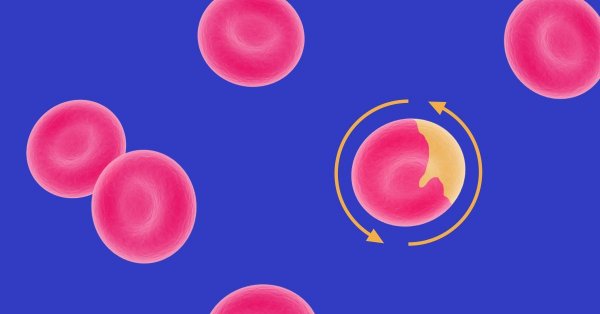
Swiss researchers have engineered a living bone marrow tissue outside the body that closely mimics the natural environment where blood stem cells thrive, a step that could reshape how scientists study blood diseases and test treatments. The model, described in the journal PNAS, kept hematopoietic stem cells (HSCs) alive and functional for several days—a feat that has eluded previous attempts.
Blood cells originate in bone marrow, the spongy tissue inside larger bones. In conditions like leukemia, this marrow malfunctions, and treatment options are often limited. A reliable lab model would allow researchers to observe how blood cells develop under normal and diseased conditions, and to screen drugs without relying solely on animal or human trials.
The challenge has been recreating the marrow's 'niches'—micro-environments where stem cells reside and receive signals to multiply or differentiate. Earlier artificial niches caused HSCs to lose their regenerative capacity, according to the team's press release. The Swiss group overcame this by building a 3D ceramic scaffold that mimics bone structure, then seeding it with mesenchymal stem cells, which can develop into bone, fat, or cartilage. These supporting cells are known to play a critical role in the marrow microenvironment.
In the resulting tissue, HSCs and progenitor cells—which can differentiate into specific cell types but with limited divisions—survived for days, a significant improvement over prior models. The research was led by scientists at the University of Basel and ETH Zurich, though the original release did not name individual authors.
Why a functional model matters
The ability to maintain stem cells outside the body opens new avenues for experimentation. Researchers could use the artificial marrow to study the step-by-step formation of blood cells, or to test new drugs for blood disorders in a controlled setting. More personalized applications are also conceivable: building the model with a patient's own cells could help predict how that individual might respond to specific therapies, potentially guiding treatment decisions for leukemia and related diseases.
While the model is not a replacement for the human body, it provides a close approximation that has been lacking. The next phase, the researchers say, is to deploy the system in practical research—both for fundamental biology and for drug development.
The study appears in the current issue of PNAS, and the team has indicated that the model's success suggests it could be scaled for broader laboratory use, though no timeline for commercial availability was provided.