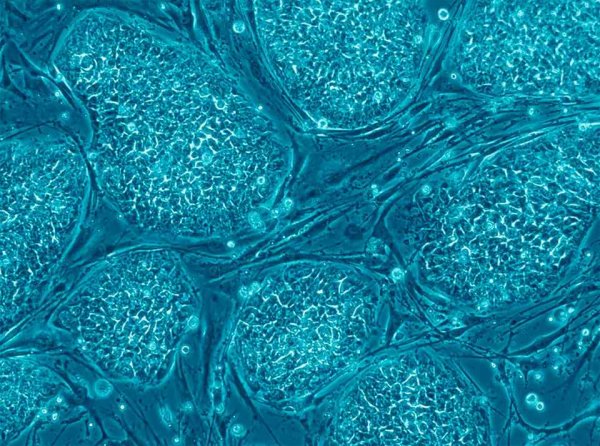
In a new study published in the journal Cell Stem Cell, researchers at Stanford University School of Medicine have demonstrated that induced pluripotent stem (iPS) cells, when modified and injected into mice, can trigger an immune response that shrinks or even eliminates tumors. The findings, while preliminary, suggest a future where personalized vaccines could train the immune system to recognize and attack cancer cells before they establish themselves.
The research addresses a long-standing challenge in oncology: cancer cells multiply rapidly and without limit, making effective treatments difficult to develop. Instead of a one-size-fits-all approach, the Stanford team proposes using iPS cells—which, like cancer cells, can propagate indefinitely and be coaxed into various cell types—to prime the immune system against tumor-specific markers.
In the study, the scientists divided mice into four groups. Each group received weekly injections for a month of a specific vaccine formulation. One group received genetically matching iPS cells that had been irradiated to prevent the formation of teratomas, a type of tumor. Another group received an adjuvant, a generic immune-stimulating agent. A third group received a combination of irradiated iPS cells and adjuvant, while the fourth served as a control.
After four weeks, the mice were injected with a mouse breast cancer cell line. Within a week, all developed tumors. However, in seven of the ten mice that received the combined iPS and adjuvant vaccine, the tumors shrank. Notably, two of those mice completely rejected the tumor cells and survived for more than a year after transplantation. The researchers observed similar outcomes when they tested the approach against mouse melanoma and mesothelioma, a type of lung cancer.
Why iPS Cells Could Work as a Vaccine
Joseph Wu, director of Stanford’s Cardiovascular Institute and a senior author of the study, explained in a press release that iPS cells share surface similarities with tumor cells. “When we immunized an animal with genetically matching iPS cells, the immune system could be primed to reject the development of tumors in the future,” he said. “Pending replication in humans, our findings indicate these cells may one day serve as a true patient-specific cancer vaccine.”
Lead author Nigel Kooreman highlighted the advantage of this approach: it exposes the immune system to a broad array of cancer-specific epitopes in a single shot. “Once activated, the immune system is on alert to target cancers as they develop throughout the body,” he said.
The Stanford method differs from other cancer vaccine efforts currently in development. While some trials aim to stimulate the immune system against various cancers, the iPS approach is inherently personalized—each vaccine must be derived from the patient’s own cells. Wu described the concept as simple: “We would take your blood, make iPS cells, and then inject the cells to prevent future cancers.”
Before any clinical application, the team must test the method using human cancer and immune cells in laboratory settings. If successful, it could offer a new line of defense in the fight against cancer, but researchers caution that much work remains.