In a laboratory experiment that could eventually reshape diabetes management, researchers in China have demonstrated a smartphone-controlled implant that triggers insulin-producing cells to release insulin in diabetic mice. The device, named HydrogeLED, brought blood sugar levels back to normal within two hours of activation, according to the team behind the project.
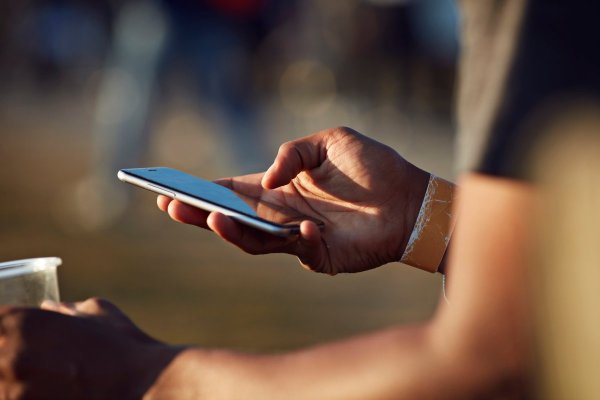
The system relies on a coin-sized hydrogel capsule implanted under the skin. Inside the capsule are LED lights and engineered cells that produce insulin only when the lights are switched on. A separate Bluetooth-enabled glucometer monitors blood sugar and sends an alert to a smartphone app when levels rise too high. The app then activates the LEDs, prompting the cells to release insulin. Users can also adjust the brightness and duration of the light to control the amount of insulin produced.
While the results are promising, the technology is still in an early stage. In the current setup, the mice must remain inside an electromagnetic field coil that acts like a smart home hub, providing power to the LEDs. Outside this coil, the system stops working. For human use, this would mean patients would need to stay within a limited range, effectively under house arrest. Additionally, the current version still relies on a needle to test blood sugar.
Future Improvements and Challenges
According to a report by Popular Science, study author Haifeng Ye envisions future versions of HydrogeLED that would include a built-in glucometer for continuous monitoring, automatically triggering the LEDs when insulin is needed. Incorporating batteries would also allow patients to move freely without being tethered to a power source.
Before human trials can begin, the team must address several hurdles. The device has only been tested in a small number of animals over a 15-day period. Longer studies in larger animal models are needed to assess safety and effectiveness. The researchers also need to ensure that all materials used in the implant are safe and do not provoke an immune response or rejection.
Despite these limitations, the HydrogeLED represents a step toward more discreet and effective diabetes treatments, potentially reducing the need for frequent insulin injections. However, it remains a research prototype, and no timeline for human trials has been announced.