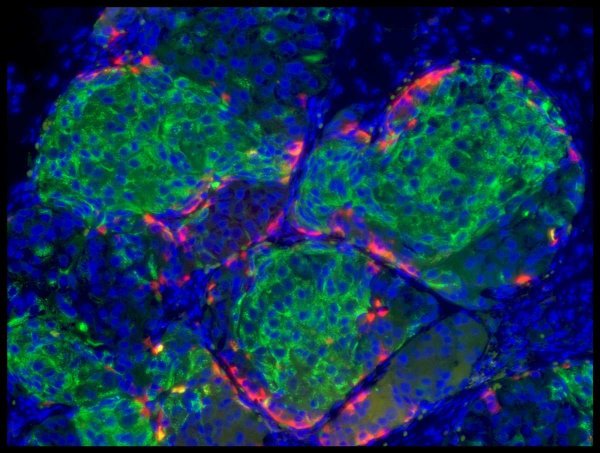
In a development that could shift the trajectory of diabetes treatment, scientists at the Salk Institute have successfully grown fully mature human pancreatic beta cells from induced pluripotent stem cells. When transplanted into diabetic mice, these cells produced insulin and eliminated the animals' diabetic symptoms, offering a new avenue toward a functional cure for the disease.
Diabetes affects more than 30 million people worldwide, according to the source report, and current therapies only manage the condition rather than address its root cause. The disease stems from malfunctioning pancreatic beta cells—the insulin-producing cells that regulate blood glucose. In Type I diabetes, these cells die; in Type II, they become unresponsive to chemical signals that normally trigger insulin release. In both cases, the body's ability to control blood sugar is compromised.
Efforts to replace these cells have long been stymied by a fundamental obstacle: previous attempts to grow adult beta cells from stem cells consistently stalled at a fetal stage, unable to reach full maturity. The Salk team, however, identified a critical missing ingredient—a protein called Estrogen Related Receptor-gamma (ERRγ). This receptor, they found, signals the cells to mature into fully functional adult pancreatic beta cells. By adding ERRγ to the culture, the researchers coaxed induced pluripotent stem cells—derived from adult human skin cells—into mature, insulin-secreting beta cells.
The implications extend beyond the laboratory. Because the stem cells are induced pluripotent, they bypass the moral, ethical, and legal restrictions that have long complicated embryonic stem cell research. The cells used in the experiments were human in origin, grown from skin samples, and tested in mice whose immune systems were suppressed to prevent rejection. Even under those conditions, the mice showed no signs of diabetes after transplantation, a result that suggests the approach is viable for further testing.
Why This Matters for Future Treatments
The use of human tissue in animal models is a significant step forward, as it more closely mirrors the conditions of human therapy. The Salk team's success in maturing beta cells from induced pluripotent stem cells could eventually lead to patient-specific treatments, where a person's own skin cells are reprogrammed and grown into replacement beta cells, eliminating the risk of immune rejection.
Still, the path to a clinical cure remains long. The researchers caution that the findings, while promising, are preliminary. Clinical trials and regulatory approvals, including from the U.S. Food and Drug Administration, typically take years. The Salk results, however, inject new hope into a field that has seen decades of setbacks.
For the millions living with diabetes, the prospect of a treatment that restores natural insulin production—rather than requiring daily injections or pumps—represents a meaningful shift. While the research is still in its early stages, the ability to grow mature human beta cells in the lab is a milestone that brings scientists closer to a practical therapy.