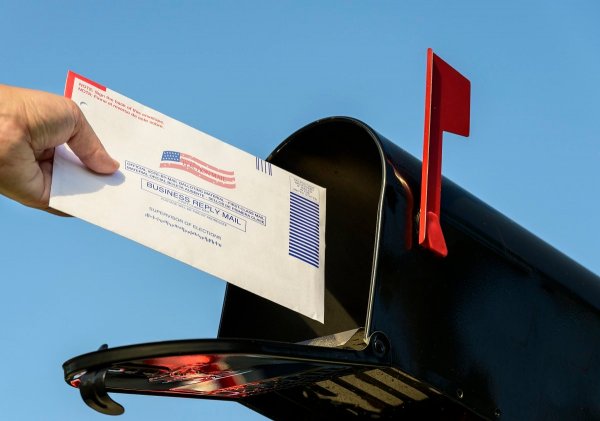
Two NASA astronauts whose planned eight-day mission stretched to eight months because of Boeing's troubled Starliner capsule said they will participate in the upcoming U.S. presidential election from orbit. Sunita Williams and Butch Wilmore, who remain aboard the International Space Station, told reporters on Friday that they have requested absentee ballots and will cast their votes electronically from space.
“It’s a very important duty that we have as citizens,” Williams said, according to NBC News, adding that the prospect of voting from orbit is “pretty cool.” Wilmore confirmed he had already submitted his ballot request, saying NASA makes the process straightforward for astronauts.
The voting procedure involves NASA transmitting a password-protected PDF ballot prepared by election officials. Astronauts mark their choices and send the document back to Earth. This method has been used before, though the current situation required last-minute coordination because the crew's return was unexpectedly delayed until February 2025.
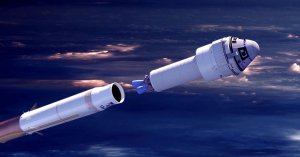
Williams and Wilmore launched aboard Boeing's Starliner in early June on what was meant to be a brief validation flight. However, thruster malfunctions and other technical issues prompted NASA to keep the capsule docked at the station for safety reviews. The agency ultimately decided to return Starliner to Earth without its crew, and the spacecraft made an uncrewed landing earlier this month, experiencing additional thruster problems during descent—validating NASA's cautious approach.
Starliner's Long History of Setbacks
Boeing's Starliner program has faced years of delays, software glitches, and cost overruns, well before its first crewed mission. The capsule's development costs have run roughly twice as much as SpaceX's Crew Dragon, which NASA has now assigned to bring Williams and Wilmore home. The astronauts are expected to return on a Dragon capsule in February, extending their stay to about eight months.
The decision to avoid using Starliner for the return trip followed concerns about the capsule's thrusters, which had shown anomalies before docking. NASA officials said they wanted more data before risking a crewed reentry. The additional thruster issues observed during the uncrewed return reinforced that decision.
Investigations into the Starliner's failures are ongoing, and lawmakers may hold hearings to examine how the project, which consumed significant taxpayer funding, encountered such extensive problems. The outcome could shape future commercial crew contracts and NASA's reliance on multiple private spacecraft providers.
For now, Williams and Wilmore are making the most of their extended stay, continuing scientific research and station maintenance. Their participation in the election from space underscores a broader effort to ensure that even those far from Earth can exercise their civic rights.