HOUSTON — A routine spacewalk turned alarming on Tuesday when water began leaking from NASA astronaut Tracy Dyson's spacesuit just 31 minutes into the excursion, forcing an early end to the outing and raising fresh concerns about the agency's decades-old equipment.
Dyson and fellow astronaut Mike Barratt were outside the International Space Station when the leak was detected, prompting mission controllers to abort the spacewalk. The crew safely re-entered the orbital laboratory, and engineers have been investigating the source of the water intrusion since, according to NASA statements.
The incident is the latest in a series of setbacks for NASA's spacesuit inventory, which relies on designs originally developed for the Space Shuttle Program in the 1980s. While the suits have been repeatedly refurbished, their age has become a growing liability, and the agency's efforts to replace them have now hit a significant roadblock.
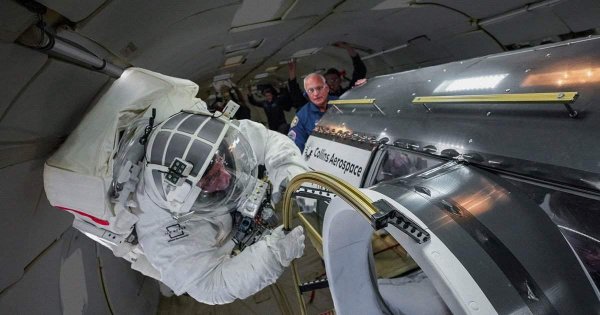
Collins Aerospace, one of two companies selected by NASA in June 2022 to develop next-generation suits under the agency's Exploration Extravehicular Activity Services (xEVAS) program, has agreed to abandon its work on an International Space Station suit replacement, according to a report from SpaceNews. The company had been tasked with building a suit for ISS operations, while Axiom Space was contracted to develop a lunar suit for NASA's Artemis missions.
In a statement to SpaceNews, NASA said: “No further work will be performed on the task orders. This action was agreed upon after Collins recognized its development timeline would not support the space station’s schedule and NASA’s mission objectives.” The agency did not provide further details on why Collins pulled out, leaving room for speculation.
Industry observers suggest the decision may stem from cost overruns and delays that made the fixed-price contract untenable for Collins, which had announced a successful prototype test in February. The company's exit leaves a gap in NASA's plans to modernize its spacesuit fleet, a need underscored by this week's leak and by a 2022 incident in which water accumulated inside an astronaut's helmet during a spacewalk, prompting a seven-month pause in such activities.
What Comes Next
NASA is not without options. Axiom Space, which has been developing a lunar suit, signed a “crossover” task order last summer that allows it to explore adapting that design for use on the ISS. Meanwhile, SpaceX is developing its own extravehicular activity suit, which is slated for its first test during an upcoming mission.
However, the recent events do little to ease concerns about the reliability of the current suits. In addition to Tuesday's abort, NASA had to scrub two other spacewalks this month, reflecting a pattern of equipment issues that could affect the station's maintenance schedule and the broader timeline for Artemis missions.
The space agency has not announced a new timeline for selecting a replacement suit provider, but the urgency is clear. With the ISS expected to operate until 2030, and with Artemis missions aiming to return humans to the Moon, reliable spacesuits are critical. For now, astronauts continue to rely on the aging shuttle-era suits, which have proven resilient but increasingly prone to failure.