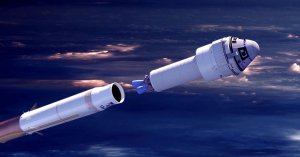
The first crewed test flight of Boeing's Starliner spacecraft has been postponed once more, this time due to a helium leak detected in the vehicle's service module. The announcement came just days after a separate valve issue on the Atlas V rocket prompted a launch scrub, extending a long history of setbacks for the embattled capsule.
In a statement, Boeing confirmed that teams are now targeting a launch window no earlier than 4:43 p.m. EDT on Tuesday, May 21. The additional time will allow engineers to complete further testing and evaluate the leak, which was discovered during pre-launch preparations. The mission, which would carry two NASA astronauts to the International Space Station, had previously been scheduled for May 17.
Years of Technical Troubles
The Starliner program has been plagued by difficulties since its inception. During its uncrewed maiden voyage in 2019, software bugs prevented the capsule from reaching the ISS, forcing an early return to Earth. Last year, inspectors found flammable tape lining the interior of the craft, a hazard that required remediation. Earlier safety reviews also led to modifications of the spacecraft's parachute system, a critical component for crewed reentry.
The latest issue adds to a pattern of recurring problems that have contributed to significant budget overruns and years of delays. Boeing has been developing Starliner under a NASA contract to provide an alternative to SpaceX's Crew Dragon for transporting astronauts to and from the orbital laboratory.
Valve Concern Raises Safety Questions
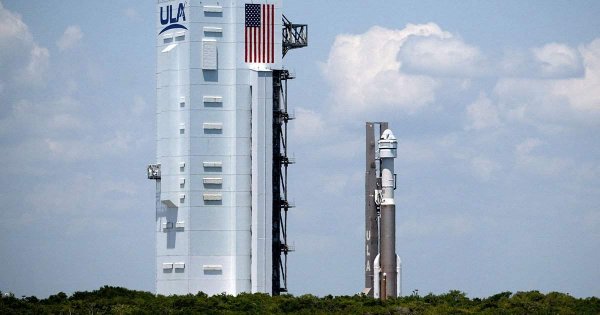
The postponement follows a separate incident during the previous launch attempt, when officials reported a strange buzzing noise while the astronauts were already strapped inside the capsule. That noise was later traced to a valve on United Launch Alliance's Atlas V rocket, which is used to launch Starliner into orbit. The issue was resolved, but it prompted a warning from Erin Faville, president of NASA contractor ValveTech, who advised that the launch should be halted until safety protocols were re-examined.
“NASA needs to re-double safety checks and re-examine safety protocols,” Faville said in a statement, “to make sure the Starliner is safe before something catastrophic happens to the astronauts and to the people on the ground.”
Boeing and NASA have not yet disclosed the specific cause of the helium leak or whether it poses any risk to the crew or mission. However, the decision to delay the launch for additional testing suggests that engineers are treating the issue with caution. Helium is used to pressurize the propulsion system, and any leak could affect the spacecraft's maneuvering capabilities in orbit.
The upcoming flight is a critical milestone for Boeing, which has faced intense scrutiny over safety culture and quality control in its commercial aviation division. A successful crewed mission would help restore confidence in the Starliner program and provide NASA with a second operational crew transport system.
As of now, no further launch dates have been announced beyond the May 21 target, and teams continue to work through the testing process. The astronauts, who have been training for this mission for years, remain in quarantine and ready to fly once the spacecraft is cleared.