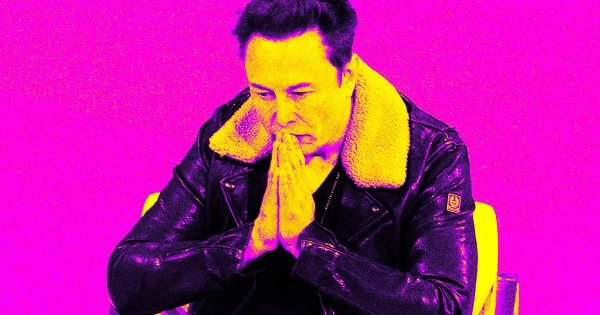
In 2012, during a tour of SpaceX headquarters, Elon Musk was rendered momentarily speechless when Demis Hassabis, cofounder of Google DeepMind, pointed out a fundamental oversight in his vision for colonizing Mars. According to a New York Times investigation based on dozens of insider interviews, Hassabis noted that if artificial intelligence surpasses human intelligence, it could simply follow humans to the Red Planet and pose the same existential threats there.
The exchange, which Hassabis later recounted to Musk biographer Walter Isaacson, occurred shortly after the two met at a conference organized by PayPal founder Peter Thiel, a shared investor. Hassabis, known for his ability to persuade wealthy benefactors to fund his pursuit of artificial general intelligence, listened as Musk expounded on his plans to escape Earth's overpopulation and other planetary woes. Hassabis agreed with the vision but added a caveat: AI could pursue humanity off-planet, making Mars a refuge in name only.
Musk, reportedly at a loss for words, had apparently not considered that Earthbound problems could simply migrate along with humanity. The revelation is striking not only for the image of the famously outspoken tycoon silenced, but also for what it reveals about the gaps in his long-held Mars ambitions.
Soon after the conversation, Musk invested in DeepMind, the London-based AI lab that Hassabis cofounded. However, by 2020, Musk had become openly critical of the company, telling New York Times columnist Maureen Dowd that DeepMind's AI was his "top concern." He referenced the firm's early work on AI that could outperform humans in classic video games, likening the scenario to the plot of the 1983 film "War Games."
Why the Mars-AI Connection Matters
The anecdote, while amusing, underscores a deeper issue: the assumption that escaping Earth means escaping its problems. Viruses, nuclear war, or rogue AI could conceivably accompany human settlers, a possibility that Musk had not entertained as of 2012. The story also highlights the complex relationship between two of the most influential figures in technology, whose paths have crossed repeatedly over the past decade.
Hassabis's warning, delivered in the early days of both SpaceX's Mars ambitions and DeepMind's AI research, now seems prescient. As AI systems become more capable and space travel inches closer to reality, the interplay between these two frontiers will likely grow more significant. Whether Musk has since revised his Mars plan to account for AI-related risks remains unclear, but the 2012 conversation serves as a reminder that even visionary plans can have blind spots.