CAPE CANAVERAL, Fla. — The next astronaut mission to the International Space Station has been pushed back by several weeks after a Falcon 9 rocket booster collided with a bridge while being trucked across the country, SpaceX and NASA officials confirmed Thursday.
The damage occurred as the first-stage booster was being transported from a production facility in California to a launch site in Texas. The incident was serious enough to force SpaceX to move the launch of its Crew-5 mission, originally scheduled for early September, to late September.
“We assessed that damage,” Benjamin Reed, SpaceX’s senior director for human spaceflight, said during a NASA livestream on Thursday. “It was a fairly minor incursion, but it still caused some damage.”
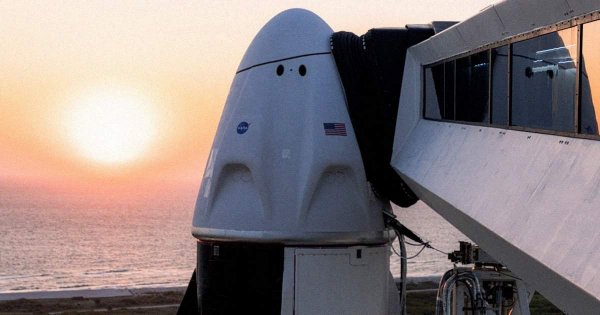
The setback adds to a string of hardware issues for the company, which earlier this year had to replace a previously used heat shield on the Crew Dragon capsule assigned to the mission. Despite these hurdles, the crew of four — including NASA astronauts Nicole Mann and Josh Cassada, Japan Aerospace Exploration Agency astronaut Koichi Wakata, and Russian cosmonaut Anna Kikina — expressed confidence in the vehicle’s readiness during a press conference on Wednesday.
“We have full confidence that NASA and SpaceX and the international partners are not going to put us on a rocket or a spacecraft that they feel is not ready to go,” Mann said.
Political and Operational Stakes
The Crew-5 mission carries particular weight because it includes Kikina, the first Russian cosmonaut to fly on a U.S. commercial spacecraft under a new seat-swap agreement between NASA and Roscosmos. The partnership proceeds despite heightened tensions between Washington and Moscow over Russia’s invasion of Ukraine.
At the same time, Russia has announced plans to withdraw from the ISS program “after 2024” to focus on building its own orbital station, casting uncertainty on the long-term future of the decades-old partnership.
The delay, while modest, underscores the logistical challenges of moving large rocket hardware over land. The Falcon 9 first stage, which stands about 42 meters tall, is typically transported on a custom trailer, and bridge strikes are a known hazard in the aerospace industry.
NASA and SpaceX have not yet announced a new target date beyond the late-September window, but officials said the booster is being repaired and will be ready for flight.