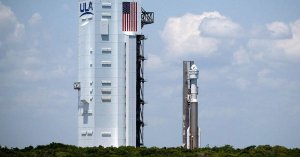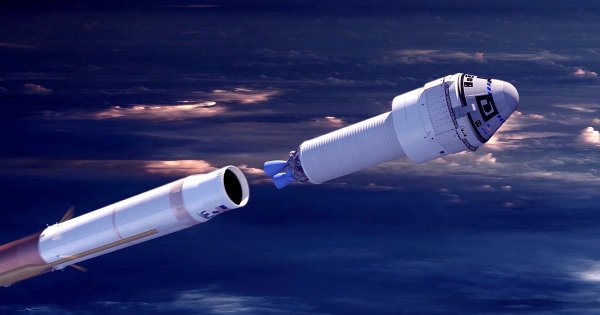
In a candid assessment, a NASA safety review panel has disclosed that Boeing's inaugural uncrewed test of its Starliner spacecraft in December came perilously close to a catastrophic failure. The revelation adds another layer of complexity to Boeing's efforts to resume astronaut missions to the International Space Station from U.S. soil.
The panel, led by former NASA flight director Paul Hill, expressed heightened concerns about the rigor of Boeing's verification processes. According to Reuters, Hill stated, "The panel has a larger concern with the rigor of Boeing’s verification processes."
The December test had already failed to reach the ISS due to a separate software glitch that placed the spacecraft in the wrong orbit. Now, investigators have identified a second issue: a valve mapping software problem. In a Boeing statement, this was described as a potential trigger for the wrong thrusters firing during re-entry, which, as NASA noted, "could have led to risk of spacecraft loss."
This latest finding has prompted NASA to reconsider its timeline. The agency has not yet determined whether Boeing must repeat an uncrewed test flight to the ISS before proceeding with the first crewed mission. That mission would carry astronauts Nicole Mann, Chris Ferguson, and Mike Fincke.
Why the Valve Mapping Issue Matters
The valve mapping software error is particularly concerning because it directly affects the spacecraft's control during a critical phase of the mission—re-entry into Earth's atmosphere. If the thrusters had fired incorrectly, the consequences could have been severe, potentially leading to the loss of the vehicle. This underscores the importance of thorough verification processes in human spaceflight.
NASA's statement indicated that investigators are still working to understand the root cause of the glitch, but they have "made excellent progress for this stage of the investigation." The tone suggests a cautious optimism, yet the safety panel's broader worries linger.
The Starliner program is a key component of NASA's Commercial Crew Program, which aims to restore domestic capability to transport astronauts to the ISS. Boeing's setbacks contrast with the success of SpaceX's Crew Dragon, which has already completed crewed missions. The delay in Starliner's certification could further impact the rotation of crews and the utilization of the ISS.
As NASA weighs its options, the decision will hinge on whether the verification processes can be sufficiently strengthened to ensure crew safety. The agency's commitment to rigorous safety standards is paramount, especially given the high stakes of human spaceflight.
The upcoming weeks will be critical as investigators continue their analysis and NASA deliberates on the path forward. For now, the Starliner remains grounded, and the timeline for its first crewed flight hangs in the balance.